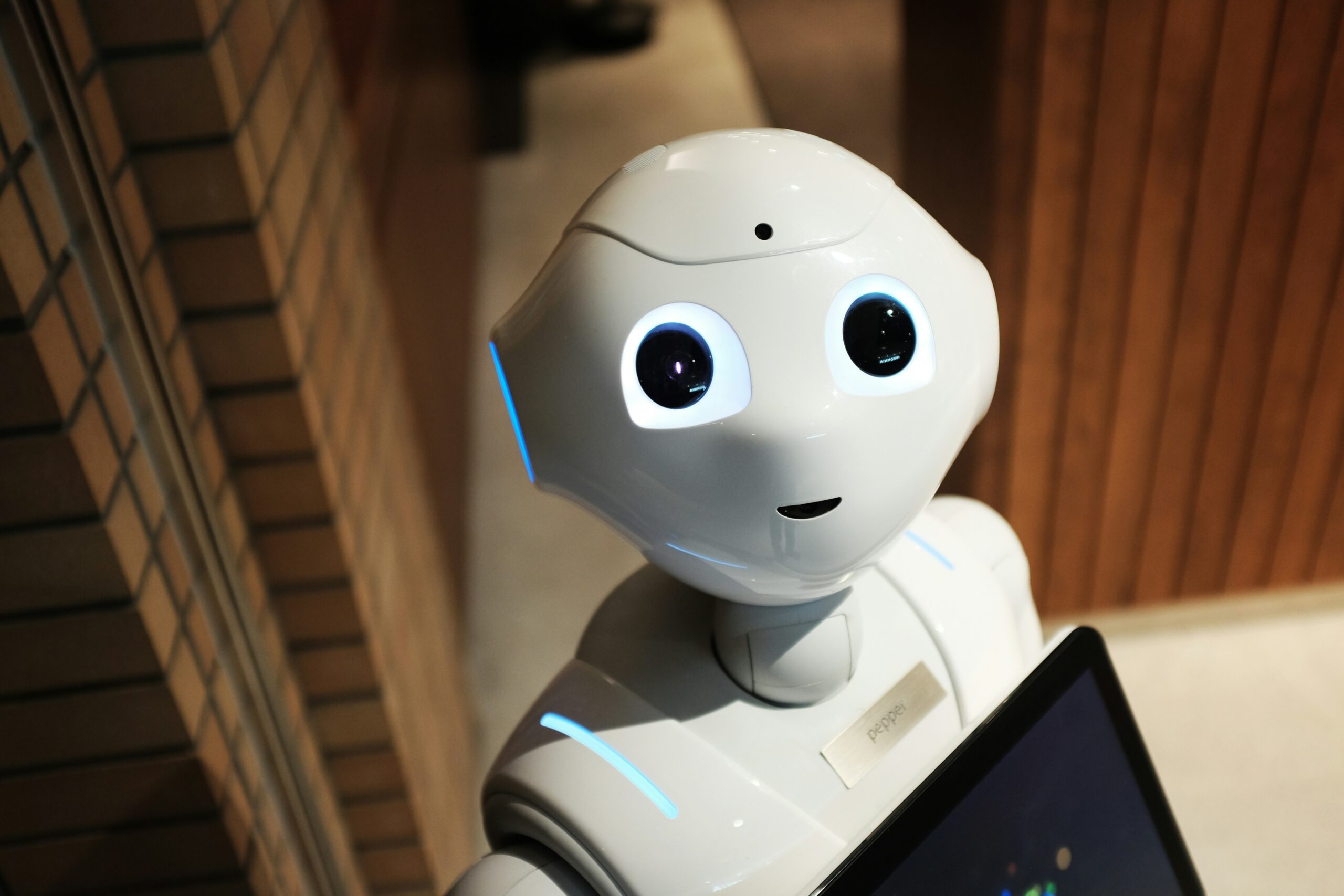
Introduction: The Technological Revolution
The rapid pace of technological advancement in recent decades has been nothing short of extraordinary. From the early days of rudimentary computing machines to the sophisticated, interconnected devices we carry in our pockets today, technology has profoundly reshaped every aspect of our lives. The exponential growth in computing power, famously encapsulated by Moore’s Law, has enabled innovations that were once the realm of science fiction. This growth has not only facilitated the proliferation of smart devices but also revolutionized the way we access and share information through the internet.
As we stand on the cusp of a new era, it is essential to recognize the transformative potential of future technologies. The rise of the internet has created a global village, breaking down barriers and fostering unprecedented levels of connectivity. Smart devices, from smartphones to IoT-enabled home appliances, have become integral to our daily routines, enhancing convenience and efficiency in ways previously unimaginable. These advancements have laid the groundwork for an even more astonishing future, where the integration of artificial intelligence, machine learning, and quantum computing promises to redefine the boundaries of what is technologically possible.
In this blog post, we will explore the astounding changes that future technologies are poised to bring to our world. By examining current trends and emerging innovations, we aim to paint a picture of a future where technology continues to drive progress and improve the human experience. The excitement and curiosity surrounding these potential advancements are palpable, as we anticipate a world where technological evolution accelerates at an unprecedented rate. Join us as we delve into the remarkable trajectory of technology and its profound implications for the future.
Artificial Intelligence and Machine Learning: Redefining Possibilities
Artificial Intelligence (AI) and Machine Learning (ML) are two transformative technologies that are reshaping our world. In the healthcare sector, AI-driven systems are enabling personalized medicine by analyzing vast amounts of data to predict individual responses to treatments, thereby tailoring therapies to each patient. This precision in healthcare is not only improving outcomes but also making treatments more cost-effective.
In finance, AI and ML are revolutionizing predictive analytics. By scrutinizing historical data, these technologies can forecast market trends and identify investment opportunities with unprecedented accuracy. Automated trading systems, powered by ML algorithms, are already optimizing trading strategies and minimizing risks, thus redefining the landscape of financial markets.
One of the most exciting advancements is the development of autonomous systems. From self-driving cars to drones, AI is enabling machines to perform tasks that once required human intervention. These autonomous systems promise to enhance efficiency and safety in various industries, including transportation, logistics, and agriculture.
AI-driven creativity is another fascinating application. Machine learning algorithms are now capable of generating art, music, and even literature, challenging our traditional notions of creativity. These creative AI systems are not just tools but collaborators, offering new perspectives and expanding the boundaries of human creativity.
Despite these advancements, the rise of AI and ML brings ethical considerations to the forefront. Issues such as data privacy, algorithmic bias, and the potential for job displacement require careful attention. It is imperative to develop AI responsibly, ensuring that these technologies are designed and implemented with fairness, accountability, and transparency.
As AI and ML continue to evolve, their impact on our world will only grow. By embracing these technologies and addressing their ethical challenges, we can unlock their full potential and pave the way for a future where AI and ML redefine what is possible.
The Internet of Things (IoT): Connecting the World
The Internet of Things (IoT) refers to a network of interconnected devices that communicate and exchange data with each other through the internet. These devices range from everyday household items like refrigerators and thermostats to complex industrial machinery. By embedding sensors and software into these devices, IoT enables them to collect, process, and share data, creating a seamless and integrated technological ecosystem.
IoT operates on several technological layers, including sensors for data collection, connectivity for data transmission, and analytical tools for data processing. This synergy allows IoT devices to perform a variety of functions autonomously. For instance, a smart thermostat can adjust the temperature based on occupancy patterns, while a connected refrigerator can notify users when they are running low on groceries.
Currently, IoT applications span numerous sectors. In healthcare, wearable devices monitor patient vitals in real-time, enhancing medical care. In agriculture, IoT-enabled systems optimize irrigation and monitor crop health, improving yield and sustainability. Industrial IoT (IIoT) is transforming manufacturing processes through predictive maintenance and real-time monitoring, thus reducing downtime and increasing efficiency.
Looking ahead, IoT holds the promise of even more groundbreaking advancements. Smart cities will leverage IoT to enhance urban living through intelligent traffic management, efficient waste disposal, and improved public safety. Intelligent transportation systems will revolutionize travel by integrating IoT with autonomous vehicles, resulting in smoother traffic flow and reduced accidents. Enhanced home automation will create living spaces that are not only more convenient but also energy-efficient, by optimizing the use of utilities based on user preferences and behaviors.
However, the proliferation of IoT also presents significant challenges. Security is a paramount concern, as interconnected devices can become targets for cyberattacks. Ensuring robust encryption and authentication mechanisms is crucial to safeguarding data. Privacy is another major issue, as IoT devices collect vast amounts of personal information. Establishing clear regulations and policies will be essential to protect user privacy. Additionally, effective data management strategies will be necessary to handle the enormous volumes of data generated by IoT devices.
In conclusion, the Internet of Things is poised to create an unprecedented level of connectivity in our world. By understanding its potential and addressing its challenges, we can harness IoT to drive innovation and improve quality of life across various domains.
Biotechnology and Genetic Engineering: Shaping the Future of Health
Biotechnology and genetic engineering represent transformative forces at the forefront of modern healthcare. These technologies are profoundly altering the landscape of medicine, introducing innovative approaches to treatment and prevention. One of the most groundbreaking advancements in this field is CRISPR gene editing, a powerful tool that allows precise modifications to DNA sequences. By enabling scientists to target and correct genetic defects, CRISPR holds the potential to eradicate hereditary diseases, paving the way for healthier future generations.
Regenerative medicine, another significant breakthrough, leverages stem cells and tissue engineering to repair or replace damaged tissues and organs. This approach not only offers hope for patients with currently untreatable conditions but also promises to extend human longevity and improve quality of life. As research progresses, the development of personalized therapies tailored to an individual’s genetic makeup is becoming increasingly feasible. Such therapies could revolutionize the treatment of complex diseases like cancer, ensuring more effective and less invasive interventions.
Looking ahead, the potential of biotechnology and genetic engineering extends beyond disease treatment. Enhancements in human abilities, such as increased cognitive function or physical performance, are within the realm of possibility. However, these advancements are not without ethical considerations. The prospect of genetically modifying humans raises questions about consent, equity, and the potential for unintended consequences. As these technologies evolve, robust regulatory frameworks will be essential to ensure their responsible use, balancing innovation with ethical stewardship.
In summary, the future of biotechnology and genetic engineering is poised to bring about revolutionary changes in healthcare. From curing genetic disorders to enhancing human capabilities, the possibilities are vast and exciting. However, navigating the ethical landscape and establishing comprehensive regulations will be crucial to harness these technologies’ full potential responsibly.
Renewable Energy and Sustainable Technologies: Powering Tomorrow
The future of technology is significantly shaped by advancements in renewable energy and sustainable technologies. Currently, there is a marked shift towards harnessing solar and wind energy, which are pivotal in reducing our reliance on fossil fuels. Solar technology, for instance, has seen dramatic improvements in efficiency and cost-effectiveness, making it a viable option for both residential and commercial use. Similarly, wind energy has grown exponentially, with modern turbines now capable of generating power even in low-wind conditions. These trends highlight a broader movement towards clean energy sources that are crucial in mitigating climate change.
Looking ahead, the landscape of renewable energy is set to be transformed by future innovations. One of the most promising developments is in advanced energy storage solutions. Technologies such as lithium-ion batteries and emerging solid-state batteries are expected to revolutionize how we store and utilize energy, ensuring a steady supply even when the sun isn’t shining or the wind isn’t blowing. Additionally, the advent of smart grids promises to enhance the efficiency and reliability of energy distribution. These grids use digital technology to monitor and manage the flow of electricity, optimizing energy consumption and reducing waste.
Moreover, sustainable urban planning is becoming increasingly critical as cities grow and evolve. Incorporating renewable energy sources and energy-efficient designs in urban infrastructure can significantly reduce the carbon footprint of urban areas. Innovations such as green buildings, which utilize sustainable materials and energy-efficient systems, and urban farming, which reduces the need for transportation and promotes local food production, are key components of this shift.
The transition to a sustainable energy future is not just a technological challenge but a necessary step in combating climate change. Embracing renewable energy and sustainable technologies is imperative for ensuring a cleaner, healthier planet for future generations. By continuing to innovate and invest in these areas, we can look forward to a world where sustainable energy is the norm, not the exception.
Quantum Computing: Breaking the Barriers of Classical Computing
Quantum computing represents a groundbreaking shift in the realm of technology, promising to revolutionize numerous fields by leveraging the principles of quantum mechanics. Unlike classical computers that use bits as the smallest unit of data, quantum computers utilize quantum bits, or qubits. These qubits have the unique ability to exist in multiple states simultaneously, thanks to the phenomena of superposition and entanglement. This allows quantum computers to process a vast amount of data concurrently, providing solutions to complex problems that are currently intractable for classical systems.
One of the most promising applications of quantum computing lies in the field of cryptography. Quantum computers have the potential to break traditional encryption methods, which rely on the difficulty of factoring large numbers. Conversely, they can also enable the creation of virtually unbreakable encryption through quantum key distribution, ensuring unprecedented levels of data security. Another significant impact of quantum computing is anticipated in material science. By simulating the behavior of molecules at the quantum level, researchers can design new materials and drugs with greater precision and efficiency, which could lead to breakthroughs in various industries, including pharmaceuticals and energy.
Moreover, quantum computing has the potential to transform complex problem-solving across multiple domains. For instance, in optimization problems, such as logistics and supply chain management, quantum algorithms could identify the most efficient routes and schedules far more effectively than classical algorithms. Additionally, in the realm of artificial intelligence, quantum computing could vastly improve machine learning models, leading to more advanced and capable AI systems.
Despite its immense potential, the development of practical quantum computers faces significant challenges. Current quantum systems are prone to errors and require extremely low temperatures to operate. Researchers are actively working on improving qubit stability and error correction methods to overcome these obstacles. As for the timeline of widespread adoption, while progress is accelerating, it is likely that a few more years of intensive research and development will be necessary before quantum computing becomes a mainstream technology.
Virtual and Augmented Reality: Transforming Experiences
Virtual reality (VR) and augmented reality (AR) are revolutionizing how we experience the world around us. These advanced technologies, once the realm of science fiction, are now making significant strides in various fields, fundamentally altering our interactions and experiences. In the gaming industry, VR and AR have already begun to redefine the user experience, providing immersive, lifelike environments that enhance gameplay and create new forms of engagement.
Beyond entertainment, VR and AR are making substantial impacts in education and professional training. In classrooms, these technologies are being utilized to create interactive, 3D learning environments that facilitate deeper understanding and engagement. Students can explore historical events, biological processes, or distant planets in ways that traditional teaching methods cannot match. Similarly, in professional settings, VR and AR are employed for training purposes, offering realistic simulations for fields such as medicine, aviation, and military operations. These simulations allow for hands-on practice in a controlled, risk-free environment, improving skills and preparedness.
Looking ahead, the potential applications of VR and AR are vast and varied. One promising area is immersive entertainment, where users can be fully absorbed in virtual worlds, experiencing stories and adventures in a deeply personal way. Another exciting application is virtual tourism, allowing individuals to explore far-flung destinations from the comfort of their homes, overcoming physical and financial barriers to travel. In the workplace, augmented workspaces could transform how we collaborate and perform tasks, overlaying digital information onto the physical world to enhance productivity and innovation.
As VR and AR continue to evolve, they hold the potential to fundamentally change how we interact with the world and each other. These technologies promise to create more engaging, efficient, and accessible experiences across various sectors, heralding a future where the boundary between the virtual and real worlds becomes increasingly blurred.
Conclusion: Embracing the Future of Technology
The rapid evolution of technology continues to reshape our world in unprecedented ways. From advancements in artificial intelligence and machine learning to the proliferation of smart devices and the development of sustainable energy solutions, the potential for transformative impact is immense. These technologies promise to revolutionize industries, enhance the quality of life, and address some of the most pressing global challenges.
However, with great potential comes significant responsibility. As we navigate this dynamic landscape, it is imperative to remain vigilant about the ethical, social, and environmental implications of technological progress. The integration of new technologies must be approached with a keen awareness of the potential for unintended consequences, such as job displacement, privacy concerns, and environmental degradation.
To harness the benefits of future technologies, society must adopt a proactive stance. This involves fostering an inclusive dialogue among stakeholders, including policymakers, industry leaders, and the public, to ensure that the development and deployment of new technologies align with societal values and priorities. Additionally, continuous investment in education and skills training will be crucial to prepare the workforce for the demands of a technology-driven economy.
The future of technology holds boundless opportunities, but it also presents complex challenges that require thoughtful consideration and collaborative effort. By staying informed and engaged, individuals and communities can play a pivotal role in shaping a future where technological advancements contribute to a more equitable, sustainable, and prosperous world.
As we stand on the brink of this technological revolution, let us embrace the possibilities with optimism and a commitment to responsible innovation. By doing so, we can ensure that the astounding changes brought about by future technologies will lead to a brighter and more inclusive future for all.