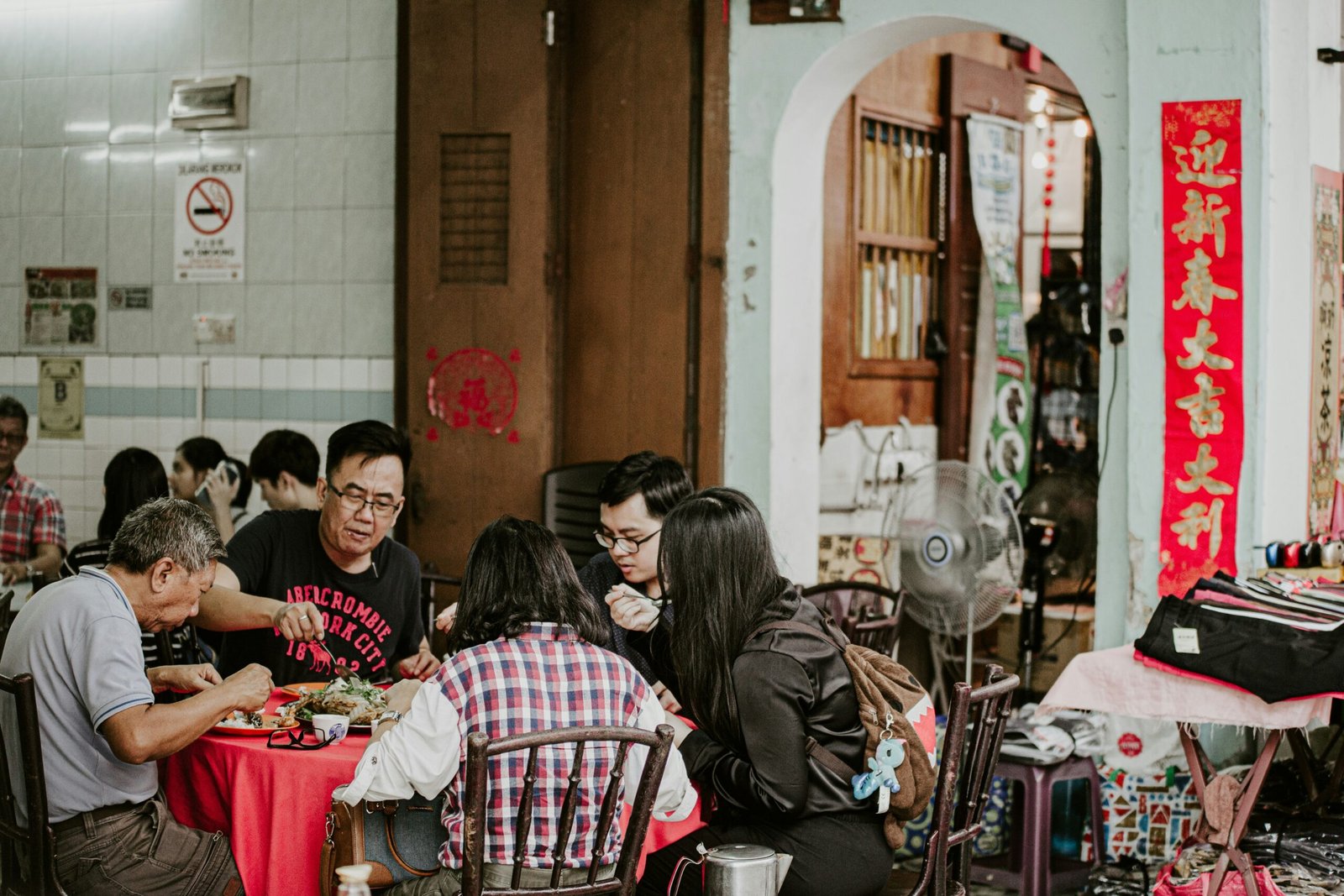
Introduction to Global Food Cultures
Food is more than just sustenance; it is a profound expression of cultural identity and social practice. Across the globe, every nation boasts a unique culinary heritage that reflects its history, geography, and traditions. From the tantalizing spice markets of India to the comforting aromas of Italian kitchens, exploring different cuisines is akin to embarking on a cultural journey, offering a deeper understanding of the values, beliefs, and lifestyles of a people.
The significance of food in cultural identity cannot be overstated. Traditional dishes not only satisfy hunger but also serve as a medium for storytelling, passing down generations-old family recipes, and preserving the essence of a community. Social practices surrounding food, such as communal feasts, festive meals, and daily dining rituals, foster a sense of unity and belonging, further cementing food’s role in cultural expression and human connection.
This blog post aims to uncover the quirky and scrumptious secrets behind various national dishes, delving into the heart of food cultures around the world. By exploring these culinary delights, we hope to highlight the creativity, diversity, and ingenuity that define global gastronomy. Each section will take you on a flavorful journey, revealing the fascinating stories and unique ingredients that make these dishes both extraordinary and beloved.
In the upcoming sections, you will discover the exotic spices of Middle Eastern cuisine, the intricate techniques of Japanese culinary arts, the hearty and wholesome fare of Eastern Europe, and many other gastronomic wonders. Along the way, we will shine a spotlight on the lesser-known yet equally delightful aspects of these food cultures, celebrating the rich tapestry of flavors and traditions that make our world so deliciously diverse.
Italy: Beyond Pizza and Pasta
Italy’s culinary heritage is a tapestry of diverse regional dishes that extend far beyond the globally adored pizza and pasta. Each region boasts its own unique creations, deeply rooted in local traditions and ingredients. In Sicily, for instance, you’ll find ‘arancini,’ delightful stuffed rice balls that are typically filled with ragù, peas, and mozzarella, then breaded and fried to golden perfection. These savory treats are a testament to Sicily’s rich history and the island’s ability to blend flavors in an extraordinary manner.
Travel north to Florence, and you will encounter ‘lampredotto,’ a beloved street food delicacy. This tripe sandwich, made from the fourth stomach of a cow, is slow-cooked with herbs and tomatoes, then served on a crusty roll often dipped in the cooking broth. It’s a dish that speaks to the Florentine philosophy of using every part of the animal, ensuring nothing goes to waste.
The Italian ethos of ‘slow food’ revolves around the importance of fresh, local ingredients and taking the time to savor each meal. This philosophy is evident in every aspect of Italian cuisine, where dishes are prepared with care and enjoyed leisurely. Fresh produce, regional cheeses, and artisanal bread are staples in Italian households, emphasizing the connection between food, family, and tradition.
Italian dining customs are as fascinating as the food itself. Take, for example, the concept of ‘aperitivo,’ a pre-dinner ritual where friends and family gather to enjoy light drinks and snacks. This tradition not only whets the appetite but also fosters social connections, embodying the Italian love for conviviality. Aperitivo typically includes an array of small bites such as olives, bruschetta, and cured meats, accompanied by a refreshing spritz or a glass of prosecco.
These lesser-known aspects of Italian cuisine highlight the depth and diversity of the nation’s food culture. From the humble arancini to the rustic lampredotto, Italy offers a culinary journey that celebrates local ingredients and time-honored traditions, inviting food lovers to explore beyond the familiar and discover the true essence of Italian gastronomy.
Japan: From Sushi to Street Food
Japan’s food culture is a rich tapestry of tradition and innovation, with each dish telling a story of its heritage and evolution. While sushi is undoubtedly the most internationally recognized Japanese delicacy, the culinary landscape of Japan is far more diverse. One of the standout dishes is okonomiyaki, a savory pancake made with flour, eggs, shredded cabbage, and a variety of other ingredients such as meat, seafood, and cheese. Originating from Osaka, this dish is often cooked on a griddle and topped with a medley of sauces and garnishes like mayonnaise and bonito flakes.
Equally beloved is takoyaki, a street food staple consisting of small, round balls of batter filled with tender octopus pieces, tempura scraps, pickled ginger, and green onions. These are cooked in specialized pans and served piping hot, usually drizzled with a tangy sauce and sprinkled with seaweed and bonito flakes. The preparation of takoyaki is a spectacle in itself, often performed by skilled vendors at bustling street food markets such as those in Osaka’s Dotonbori district.
For those seeking a more refined gastronomic experience, kaiseki offers an exquisite journey through Japan’s haute cuisine. This multi-course dining experience emphasizes the seasonality of ingredients and the meticulous presentation of dishes. Each course in a kaiseki meal is thoughtfully prepared to showcase the natural flavors and aesthetic appeal of the ingredients, reflecting the deep-rooted Japanese philosophy that food should be as pleasing to the eyes as it is to the palate.
Central to all these culinary delights is washoku, traditional Japanese cuisine that has been recognized by UNESCO as an Intangible Cultural Heritage. Washoku places great emphasis on the harmony of seasonal ingredients, the balance of flavors, and the beauty of presentation. This cultural significance extends beyond the food itself to the etiquette of Japanese dining, which includes practices such as expressing gratitude before and after meals with the phrases itadakimasu and gochisousama deshita.
Japan’s food culture offers a fascinating blend of history, artistry, and communal enjoyment. From the vibrant street food markets to the serene settings of kaiseki dining, each culinary experience provides a unique glimpse into the nation’s rich gastronomic heritage.
Mexico: The Heart of Flavor and Spice
Mexico’s cuisine is a vibrant tapestry woven from a rich history and diverse cultural influences. It is renowned for its bold flavors and the use of a wide array of spices and ingredients. One of the most iconic elements of Mexican cuisine is the ‘mole,’ a complex sauce that can incorporate over 20 different ingredients, including various types of chilies, chocolate, and spices. Each region of Mexico has its own unique version of mole, reflecting local tastes and ingredients.
Another quintessential Mexican dish is the ‘tamale,’ a steamed bundle of masa (corn dough) filled with meats, cheeses, fruits, or vegetables, and wrapped in corn husks or banana leaves. Tamales are a staple at celebrations and holidays, symbolizing the communal spirit of Mexican gatherings.
For the more adventurous palate, ‘chapulines,’ or fried grasshoppers, offer a crunchy, protein-packed snack that exemplifies the ingenuity of Mexican cuisine. These insects are often seasoned with lime juice, garlic, and salt, providing a unique and flavorful experience.
The diversity of Mexican cuisine is further enriched by its regional variations. The Yucatán Peninsula, for instance, is known for its Mayan-influenced dishes such as ‘cochinita pibil,’ a slow-roasted pork dish seasoned with achiote paste and citrus. In contrast, the northern regions of Mexico are famous for their beef-based dishes and flour tortillas, influenced by the cattle-ranching culture.
Food in Mexico is deeply intertwined with the country’s history and traditions. The fusion of indigenous culinary practices with Spanish influences has created a cuisine that is both diverse and deeply rooted in cultural identity. This blend is evident in everyday life and special occasions, where food plays a central role in bringing people together. The tradition of ‘antojitos,’ or small snacks, showcases the importance of food in daily social interactions, offering a variety of street foods such as ‘tacos,’ ‘quesadillas,’ and ‘elote’ (grilled corn).
In summary, Mexican cuisine is a testament to the country’s rich cultural heritage and regional diversity. Its flavors, ingredients, and traditions continue to captivate and bring joy to people worldwide.
India: A Symphony of Spices
India’s culinary heritage is a mosaic of flavors, colors, and textures, deeply influenced by its diverse regions. Each state boasts its own unique specialties, creating a rich tapestry of gastronomic delight. For instance, the southern regions of India are renowned for ‘dosa,’ a thin, crispy crepe made from fermented rice and lentil batter, often served with a variety of chutneys and ‘sambar’ (a tangy lentil soup). In contrast, the northern regions take pride in ‘biryani,’ a fragrant rice dish layered with marinated meats, saffron, and a medley of spices, showcasing the depth of Mughal influence on Indian cuisine.
The western regions of India, particularly Gujarat, and Maharashtra, are famous for ‘chaat,’ an array of savory snacks that tantalize the taste buds with their sweet, spicy, and tangy notes. These street foods encapsulate the essence of Indian culinary ingenuity, using simple ingredients to create complex flavors. Across the subcontinent, spices play an integral role, not just for their taste but also for their medicinal properties. The principles of Ayurveda, an ancient system of natural healing, permeate Indian cooking, emphasizing the balance of flavors and the therapeutic benefits of spices like turmeric, cumin, and coriander.
Indian food culture is also deeply intertwined with its rituals and traditions. One such practice is dining with hands, which is believed to enhance the sensory experience of eating. The ‘thali,’ a platter meal that offers a variety of dishes, is a quintessential representation of Indian hospitality and the belief in a balanced diet. Each component of the thali, from the spicy curries to the cooling raitas and the sweet desserts, is meticulously chosen to create a harmonious and nourishing meal.
In India, food is not just sustenance; it is a celebration of life, an expression of cultural identity, and a testament to the country’s profound culinary wisdom.
France: Elegance on a Plate
France’s culinary traditions are renowned for their sophistication and artistry, making it a quintessential destination for food enthusiasts. French cuisine features a variety of iconic dishes, each with a unique story and regional influence. Among the most celebrated are escargot (snails), which are typically prepared with garlic, parsley, and butter, offering a delicate yet distinct flavor. Another notable dish is foie gras (duck liver), a luxurious delicacy that epitomizes the French commitment to rich and refined tastes. Additionally, the vegetable stew known as ratatouille is a testament to the country’s love for fresh, seasonal produce, combining ingredients like tomatoes, zucchini, and eggplant into a harmony of flavors.
The French philosophy of terroir, which emphasizes the connection between food and the land from which it originates, plays a vital role in their culinary practices. This concept underscores the importance of locality and authenticity, ensuring that each dish reflects the unique characteristics of its region. French cuisine is celebrated not only for its ingredients but also for the way these ingredients are cultivated and prepared, highlighting the symbiotic relationship between the environment and the food it produces.
Wine and cheese are integral components of French culture, often enjoyed in tandem. With a diverse range of wines from regions such as Bordeaux, Burgundy, and Champagne, each bottle tells a story of its origin, climate, and craftsmanship. Similarly, France boasts an impressive array of cheeses, including Brie, Roquefort, and Camembert, each offering distinct textures and flavors that pair beautifully with various wines.
The structure of French dining customs is equally noteworthy, with a strong emphasis on multi-course meals that showcase the breadth of French culinary expertise. Typically, a meal begins with an appetizer, followed by the main course, cheese, and dessert, reflecting a well-rounded gastronomic experience. The concept of gastronomy in France goes beyond mere eating; it is an art form that celebrates the joy of savoring well-prepared food, the pleasure of good company, and the importance of tradition and innovation in culinary practices.
Morocco: A Feast for the Senses
Morocco’s culinary landscape is a vibrant tapestry woven from the threads of Berber, Arab, and French influences. Each dish tells a story, rich in history and flavor, making Moroccan cuisine a true feast for the senses. At the heart of Moroccan dining lies the iconic ‘tagine,’ a slow-cooked stew named after the earthenware pot in which it is prepared. This dish is a symphony of tender meats, aromatic spices, and dried fruits, often garnished with almonds or sesame seeds, creating a delightful blend of sweet and savory flavors.
Another staple of Moroccan cuisine is ‘couscous,’ often referred to as the national dish. This steamed semolina grain is typically served with a variety of vegetables, meats, or fish, and is laced with a fragrant mix of spices such as cumin, coriander, and saffron. It is a dish that embodies the communal spirit of Moroccan dining, often shared from a large, central platter.
The ‘bastilla,’ a savory-sweet pie, showcases Morocco’s penchant for combining unexpected flavors. Traditionally made with pigeon (or chicken), layered with almonds, eggs, and dusted with powdered sugar and cinnamon, bastilla is a dish that surprises and delights the palate.
Moroccan cuisine’s defining feature is its liberal use of spices and herbs. Spices like cumin, cinnamon, turmeric, and paprika are not just seasonings but integral to the identity of each dish. Fresh herbs such as cilantro and parsley add a burst of freshness, balancing the warmth of the spices.
Beyond the food itself, Moroccan dining practices are deeply rooted in tradition. Meals are often communal, with family and friends gathered around a low table, eating from shared dishes. The ritual of serving and drinking mint tea is an essential part of Moroccan hospitality. This tea ceremony, marked by its elaborate pouring technique, symbolizes friendship and warmth.
Through its cuisine, Morocco offers a sensory journey that reflects its diverse cultural heritage and the warmth of its people. From the bustling markets filled with the aroma of spices to the intimate tea ceremonies, Moroccan food culture is an experience that delights every sense.
Conclusion: Embracing Culinary Diversity
In our journey through the quirky and scrumptious food cultures of various nations, we have uncovered a rich tapestry of culinary traditions that are as diverse as they are delightful. Each country’s unique approach to food offers a glimpse into its history, values, and way of life, demonstrating that cuisine is far more than mere sustenance; it is a powerful expression of cultural identity. By exploring different food cultures, we not only satisfy our taste buds but also open ourselves up to new experiences and perspectives.
Stepping out of our culinary comfort zones allows us to appreciate the creativity and ingenuity that goes into making regional dishes. Whether it’s savoring the intricate flavors of Japanese sushi, indulging in the hearty comforts of Italian pasta, or experiencing the vibrant spices of Indian curry, each bite invites us to connect with the people and stories behind the food. This exploration fosters cross-cultural understanding and bridges gaps, bringing us closer together in a world that often feels divided.
As we continue to embrace culinary diversity, let us remember the importance of being open-minded and adventurous in our food choices. Trying new dishes from around the world can be a delightful and enlightening experience, one that enriches our lives and broadens our horizons. We encourage you to embark on your own culinary adventures, discovering the quirky and scrumptious delights that different cultures have to offer.
We invite you to share your own food experiences and discoveries with us. What new dishes have you tried recently? How have these culinary journeys impacted your view of the world? By sharing our stories, we can inspire one another to keep exploring and appreciating the incredible diversity of global cuisine. Bon appétit!